A small group of Greeks was settled by Erekle II (King of Kartli and Kakheti in the 18th century) back in 1763 in Kvemo Kartli. They worked in Akhtala copper, lead, silver and gold mines and were highly skilled in this business. The next resettlement took place in 1806-1807, and the following in 1829-1830. Turkish-speaking Greeks as well as Greeks speaking the Pontus dialect were resettled to Georgia. The study of archive materials tells us that the biggest stream of Greek migrants entered Georgia during the aforementioned period and their majority settled in Tsalka and Tetritskaro areas.
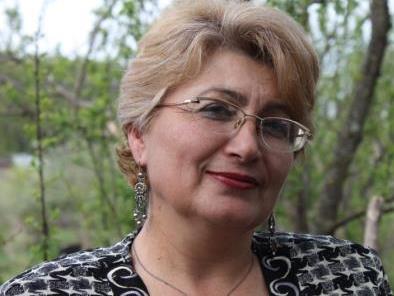
Ivetta grew up and studied in Tbilisi, graduated from a cooperative institute and worked in the Central Union of Consumer Cooperatives of Georgia that was part of a large association across the entire USSR. She recalls those times with warm feelings. She says that she was the only Greek amongst a large staff and that her coworkers were gracious with her. Ivetta had Russian education and could speak conversational Georgian.
During the first years following the breakup of the USSR, however, Ivetta’s family suffered all of the difficulties related to the subsequent wars, the instability and the lack of money which this all brought. At first, Ivetta, like the majority of the women of her time, relied on her husband to bring in income and tended to the family and her young children. Her husband then started a job in Tsalka and, after several years, the family moved there with him. The children, who had started schooling at a Georgian school in Tbilisi, faced difficulties in Tsalka where there was no Georgian school and so they had to learn Russian. As soon as the Georgian school opened, however, they moved there. Her son is now 27 and her daughter is 25. They have higher education and belong to both cultures; Georgian from their father’s side and Greek from their mother’s side.
Ivetta started working again as soon as her children grew up. Another contributing factor was the change in governmental language policy that envisaged the keeping of official documents in the State language that caused big shortage of Georgian-speaking staff in Tsalka. Although Ivetta’s Georgian was not perfect, she studied it intensively and she found herself in demand with the need for translation from Russian into Georgian and vice versa . She was not just a good interpreter but also had her own ideas about how to improve things in the work and as a result, she was offered administrative positions such as at the district hospital and the social security department where she took the position of deputy and from where she then moved to her position as Head of Administration in the Executive Office in Tsalka.
Ivetta is originally from the village of Beshtasheni. The village is not far from Tsalka, and she knows and understands the life and conditions in the region. When remembering the past when the Greek community was quite large, Ivetta talks about the old ways of life. There used to be several factories in Tsalka that employed local residents. Men also went to other regions of Georgia and in Russia for seasonal work and women would do the family’s household farming, selling excess crops and upplementing household budgets. They lived well and could provide educations for their children not only in Tbilisi but in Moscow as well. “The Greeks had money!” — Ivetta says and that is why they went back to their historical homeland as soon as opportunity emerged. Migration was spurred by opened borders and the destabilization in Georgia during the 1990’s In addition, the Greek community which did not speak Georgian did not feel comfortable about the change of language policy which made Georgia the official language rather than Russian.
According to some estimates, 90-92 percent of the original Greek residents have left Georgia. There were over twenty-two thousand at one time and, now, there are only one thousand two hundred Greeks left (the current population of Tsalka is about twenty three thousand). The elite, those people with qualifications and money, have left. Many of them, however, did not want to cut ties with Georgia completely and left their houses behind. People wanted to be able to go back to the graves of their ancestors and to pray in Orthodox churches. It was also not advantageous to them to sell their houses because prices in the region, due to the out-migration, were too low.
At the same time internal migration to Tsalka from Ajara and Svaneti was gaining momentum with ecomigration due landslides and avalanches and the search of more suitable conditions for farming. Governmental programmes were also aimed at regulating internal migration, one of them providing assistance to eco-migrants. The government gave subsidies to the dwellers of mountainous areas who had suffered from avalanches, who could then use these resources to buy houses, sometimes supplementing the funding with some of their own money. Several hundred houses in Tsalka were purchased under this scheme. In the majority of the cases, however, the new settlement was performed in an ad hoc manner. Greek leaving Tsalka left the keys their houses with neighbours and gave them permission to let people who were honest and trustworthy live in their homes. This was mutually beneficial as empty houses would only deteriorate without anyone living in them and land attached to them become unworkable if left uncultivated.
Agreements were mainly informal and conflict is fairly infrequent as the system has benefited all parties. However there is no long term stability for the new dwellers who cannot invest in long term strategies based on property and land they do not own. Most temporary owners, aspire to having their own houses by buying the houses in which they are living or purchasing another. However, the original owners, perhaps influenced by European prices are asking high prices of about 15,000 Euro for the houses which the local temporary residents simply cannot afford.
Ivetta herself has been here for 17 years and over this period she has moved between five different houses. She currently lives in a spacious two-storey house that is owned by a Greek family. Although she works hard and holds a leading position, her family still does not have enough money to buy their own house.
We asked about the rest of the Greek families living here and Ivetta explained that the majority of them fare quite well thanks exclusively to cattle farming with many, since the global financial crisis, providing support to relatives who have gone to Greece. It is clear that the remaining families are facing serious questions related to the future. If they have children, their future will depend upon language which means that they either have to master Georgian or emigrate. Fewer and fewer students now enrol in the Russian school.
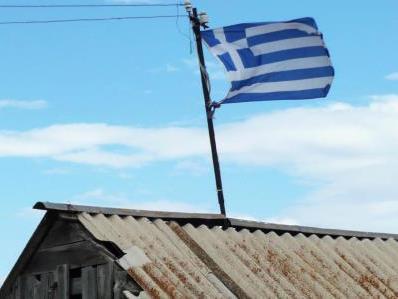
We tried to understand how the life of a Greek woman in the region differs from that of other women. Apparently, the main difference is the presence of a ‘window to Europe’. Effectively, every family has relatives there which gives them pride and the opportunity for exposure to life in Europe.
Another difference is the issue of their own houses, Ivetta does not own her own home. A Greek family owns her house. Otherwise, Greek women keep the same way of life other women do and make their living through hard work. There is not even a single independent businesswoman in Tsalka outside the field of farming.
Greek women tend to remain isolated from women of other ethnicities and are not inclined to cooperate with them this might be due to the perception that migrants have lower levels of culture than them and occasional conflicts related to houses. Ivetta, as a public sector worker sees these problems clearly. The isolation of sections of the population due to ethnicity is one of the main problems. Overcoming this problem requires time and it is necessary to have a dynamic, intelligent and people-friendly programme which reaches remote villagers and that would employ real enthusiasts of whom Ivetta is obviously one.
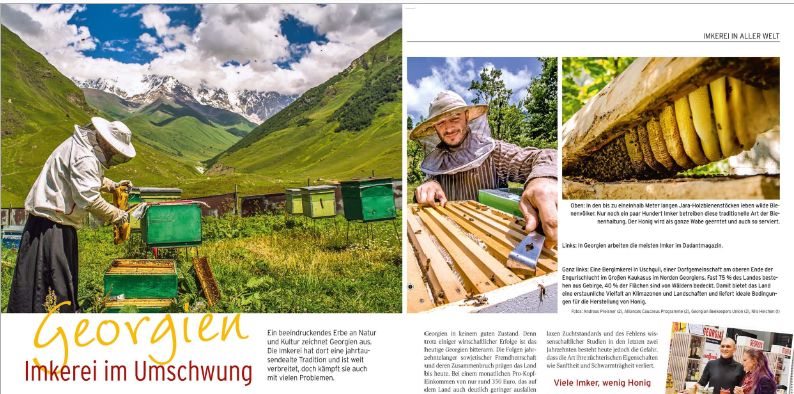
A German beekeeping magazine Deutsches Bienen-Journal with circulation of 52,000 copies a month published a comprehensive article on beekeeping in Georgia and its history, local bee breed Mountain Grey Caucasian Honey Bee (Apis mellifera caucasica) and Jara honey a special mention of the project’s work.
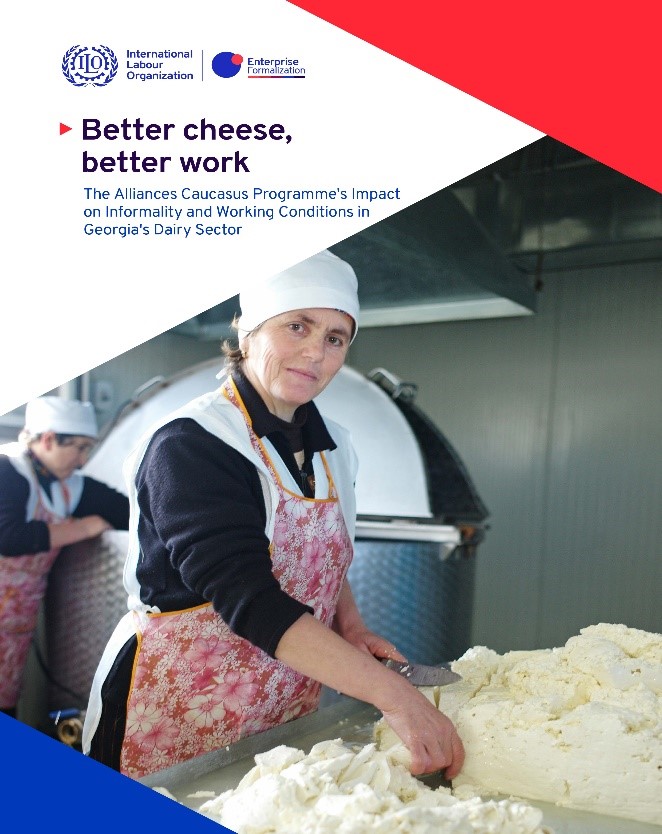
The International Labor Organization’s (ILO) Better Cheese, better work: The Alliances Caucasus Programme’s Impact on Informality and Working Conditions in Georgia’s Dairy Sector which explores formalization within the dairy value chain in Georgia stemming from ALCP market systems interventions, is now available on the ALCP website.
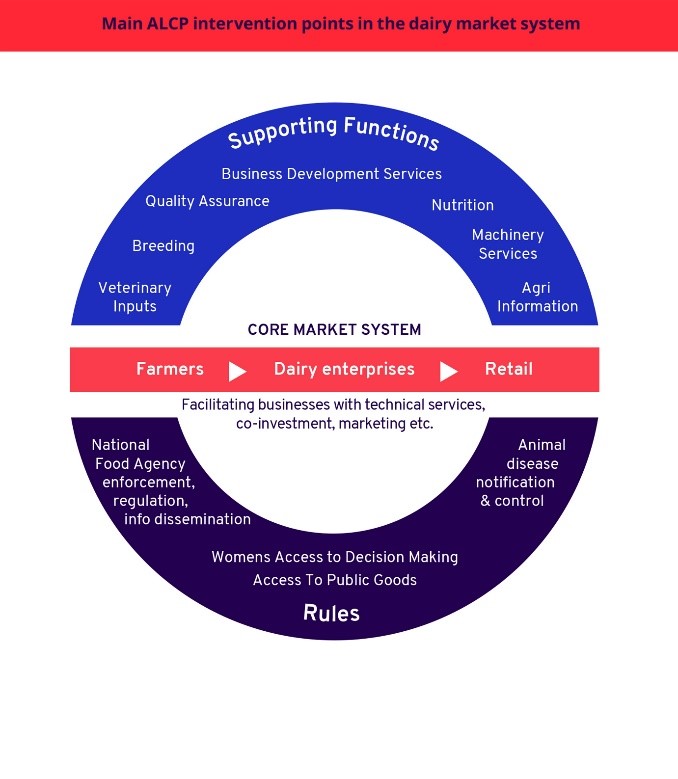
The ILO and ALCP worked together from summer 2019 to bring this research to completion. There are several reasons for the timeliness and importance of this report; chief amongst them is the ever present need for lessons learnt from MSD programmes, which can be applied in others, secondly the need to demonstrate the efficacy of the approach with a detailed account of systemic change and thirdly the growing importance in development programming of evaluating the efficacy of the MSD approach to develop quality employment at scale.
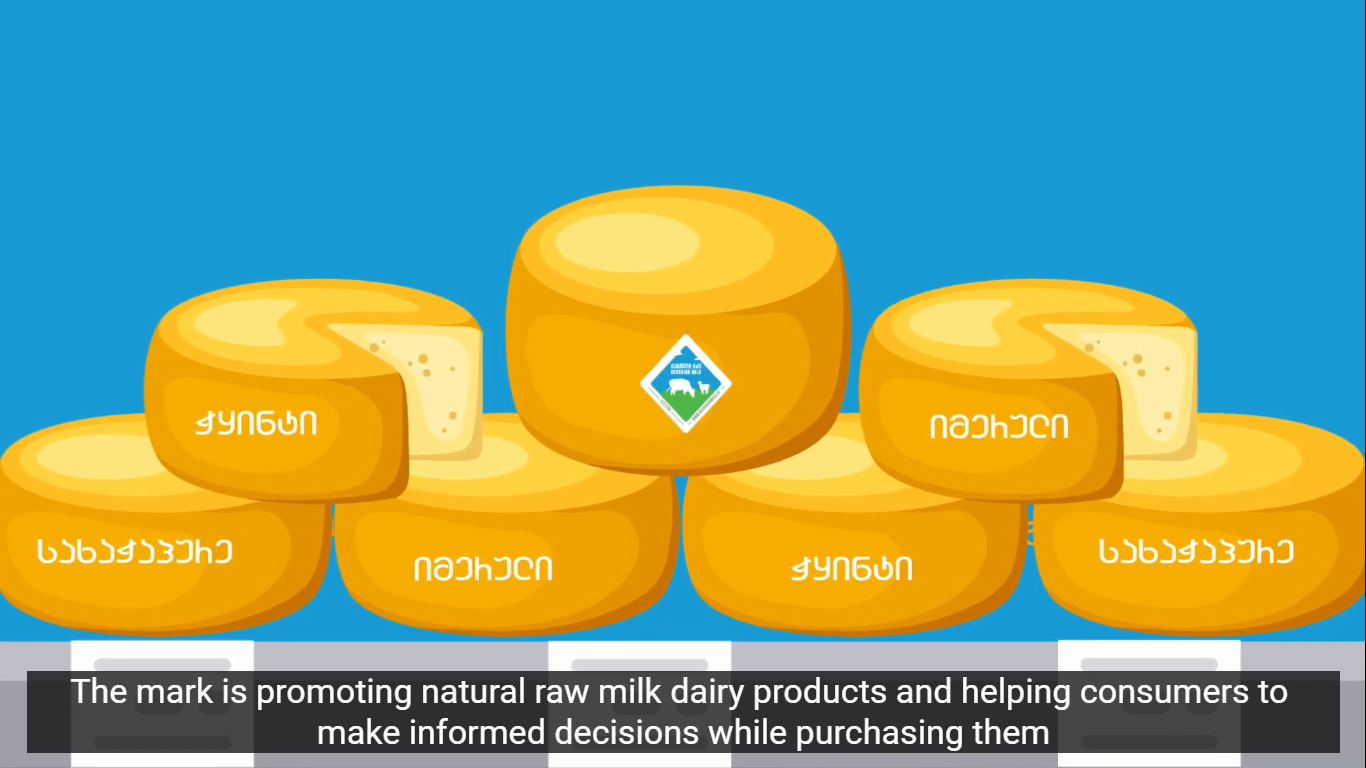
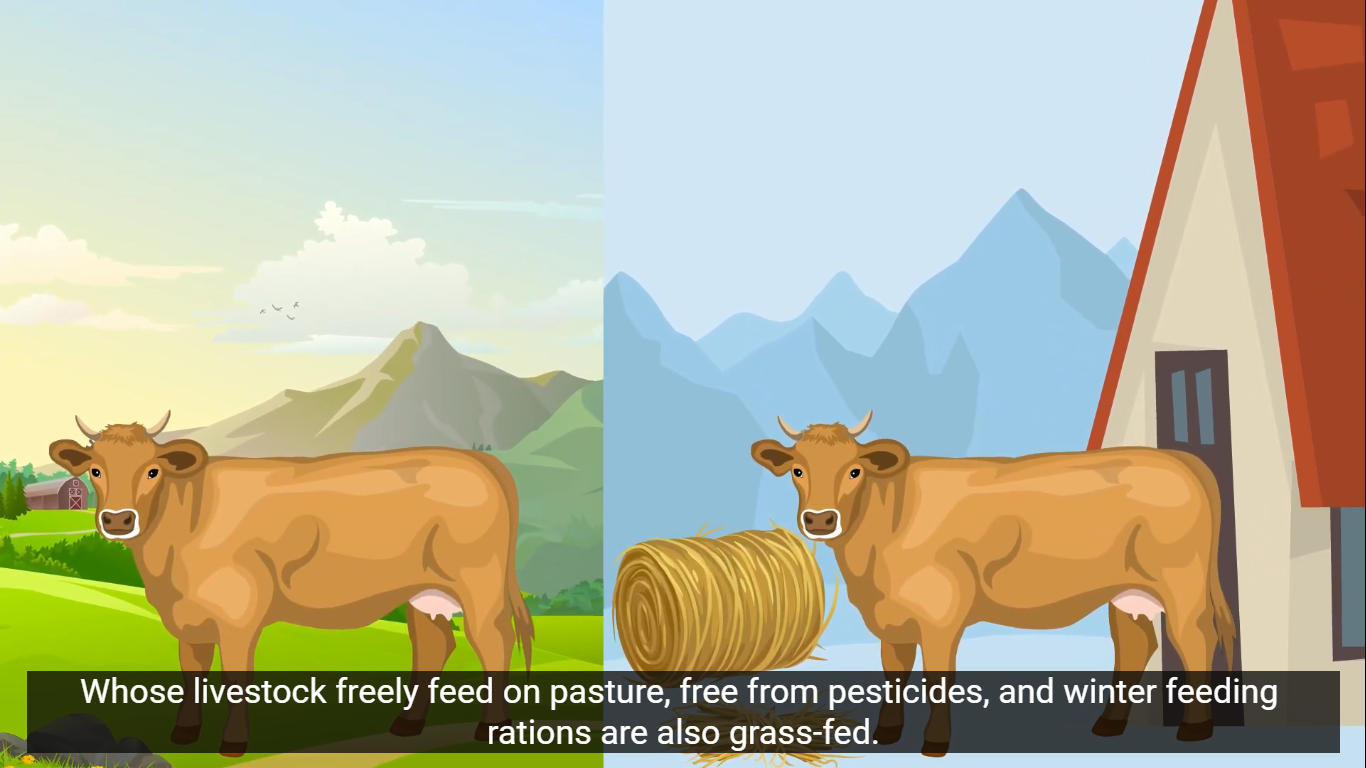
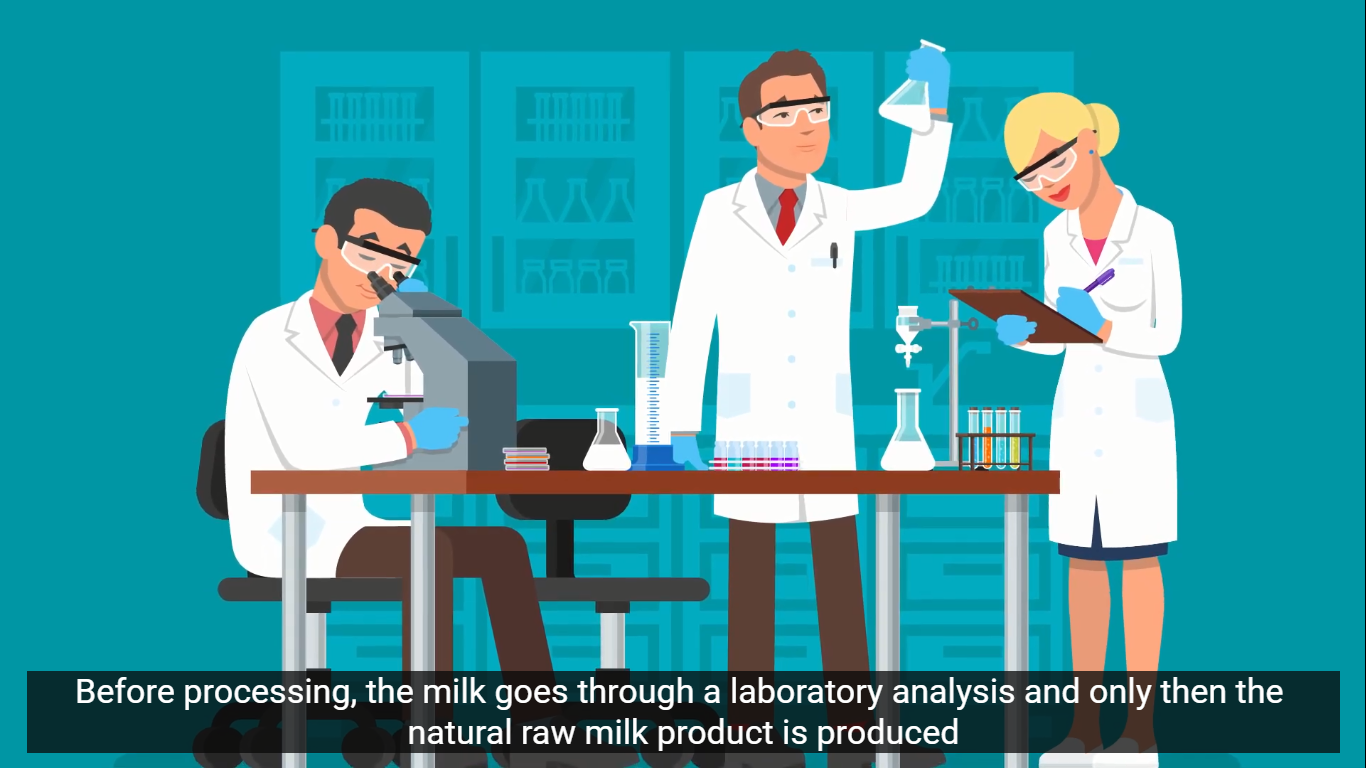
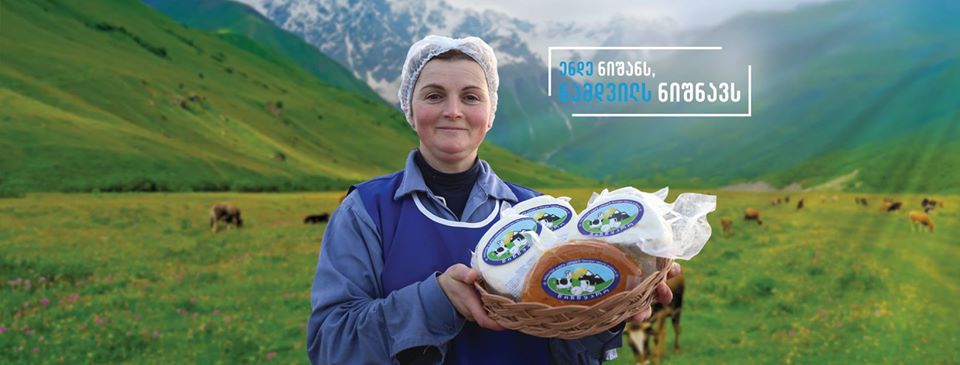
From the beginning of June, the two most popular national TV stations Imedi TV and TV Pirveli have been broadcasting the Georgian Milk Mark (GMM) animation video five times a day during prime time for free as a part of social advertising. Those televisions have national coverage reaching a high number of consumers.
There are now ten GMM dairy enterprises’ products available in fifteen supermarket chains across Georgia. Detailed information to be found on www.georgianmilk.ge.

On the May 20th, 4,400 beekeepers registered in the new GBU database received an SMS notification from the Georgian Beekeepers Union (GBU) on how to treat Varroa, the most common bee disease in Georgia.
The GBU will continue informing its members through phone Facebook. And their new official webpage is now online: www.geobeekeepers.ge.
Created in 2018, the GBU is an umbrella association uniting ten beekeeping associations and three commercial beekeeping companies.
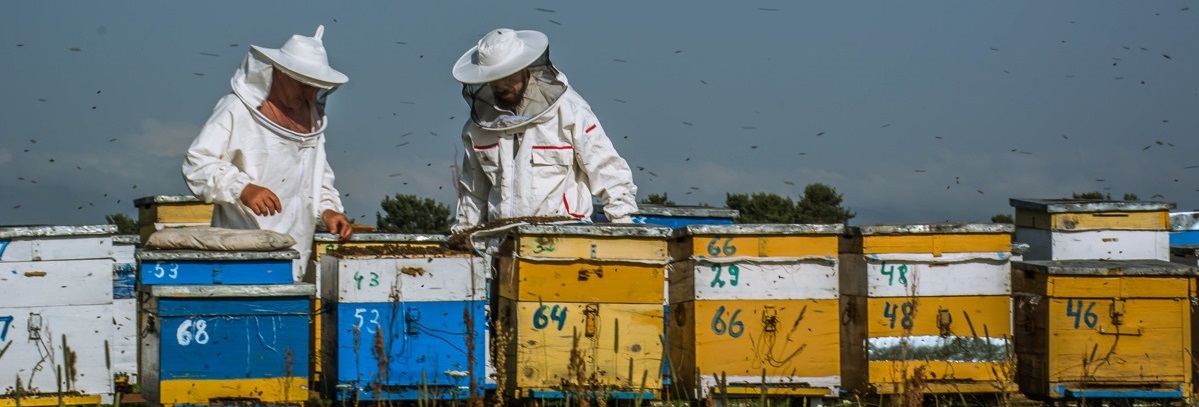
The Georgian Beekeepers Union (GBU) successfully advocated for permits to be issued for beekeepers allowing them to continue work during the curfew.
The Government of Georgia declared the nationwide curfew on March 30th, 2020 to restrict the spread of the COVID-19 virus, prohibiting any movement from 9:00 PM to 06:00 AM. This posed a serious problem for beekeepers who rely on transhumance predominantly at night.
In Georgia, bee transhumance allows for beekeepers to place hives at different altitudes to capture the flowering of different plants. Starting from late Spring, Georgian beekeepers start to move apiaries to get different types of honey including Acacia,Chestnut, Alpine, Linden. The transhumance of bees significantly increases their honey productivity.


On April 4th, the GBU sent an official letter to the Ministry of Environmental Protection and Agriculture of Georgia (MEPA) asking for the issuing of permission/passes for beekeepers including the guidance it developed for beekeepers during the Covid-19 outbreak.
‘We asked the Minister to mediate with the appropriate agencies to issue special permits, so that beekeepers may access their apiaries and work there, transport beekeeping apiaries for transhumance on pre-determined routes within the curfew conditions.’ – Avksenti Papava, the Director of the GBU.
Up to eight hundred beekeepers have already used permits, who are now able to visit apiaries and carry out vital seasonal treatment and maintenance. Bees are transported at night where possible, because they do not leave a hive during night, which the permit makes possible.
‘I have my apiaries located in the different regions for getting various types of honey. I was very happy to hear about special permit for beekeepers, as it is very active season in beekeeping. I am able to freely move to the locations and do not worry about time limitations’ – Kakhaber Zirakasvili, a beekeeper.
Guidance and contact information on getting permits and the Covid-19 recommendations have been shared by the GBU on its facebook page.
The Georgian Beekeepers Union (www.geobeekeepers.ge) is an umbrella association uniting ten beekeeping associations and three commercial beekeeping companies with more than four thousand Georgian beekeepers. It was established to represent their interests and to promote the health and development of the honey sector in Georgia with the facilitation of the Swiss Agency for Development and Cooperation (SDC) project the Mercy Corps Georgia implemented Alliances Caucasus Programme (ALCP).
In the midst of anxiety under the COVID-19, some people rise to the occasion when faced with adversity and it is uplifting to hear stories about them. As for many others it has been difficult times for the client businesses of the programme, but they have continued to help people most affected by the current crisis over the past two weeks.
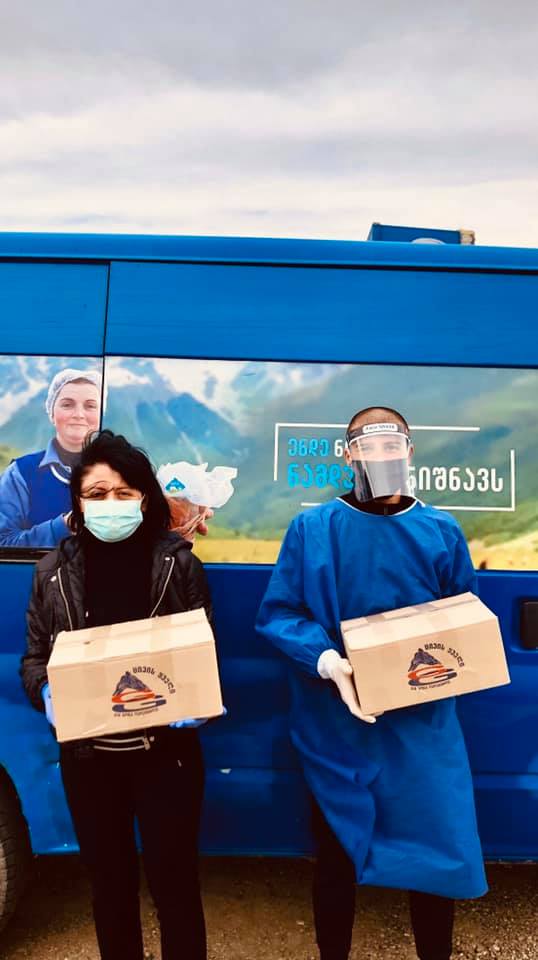
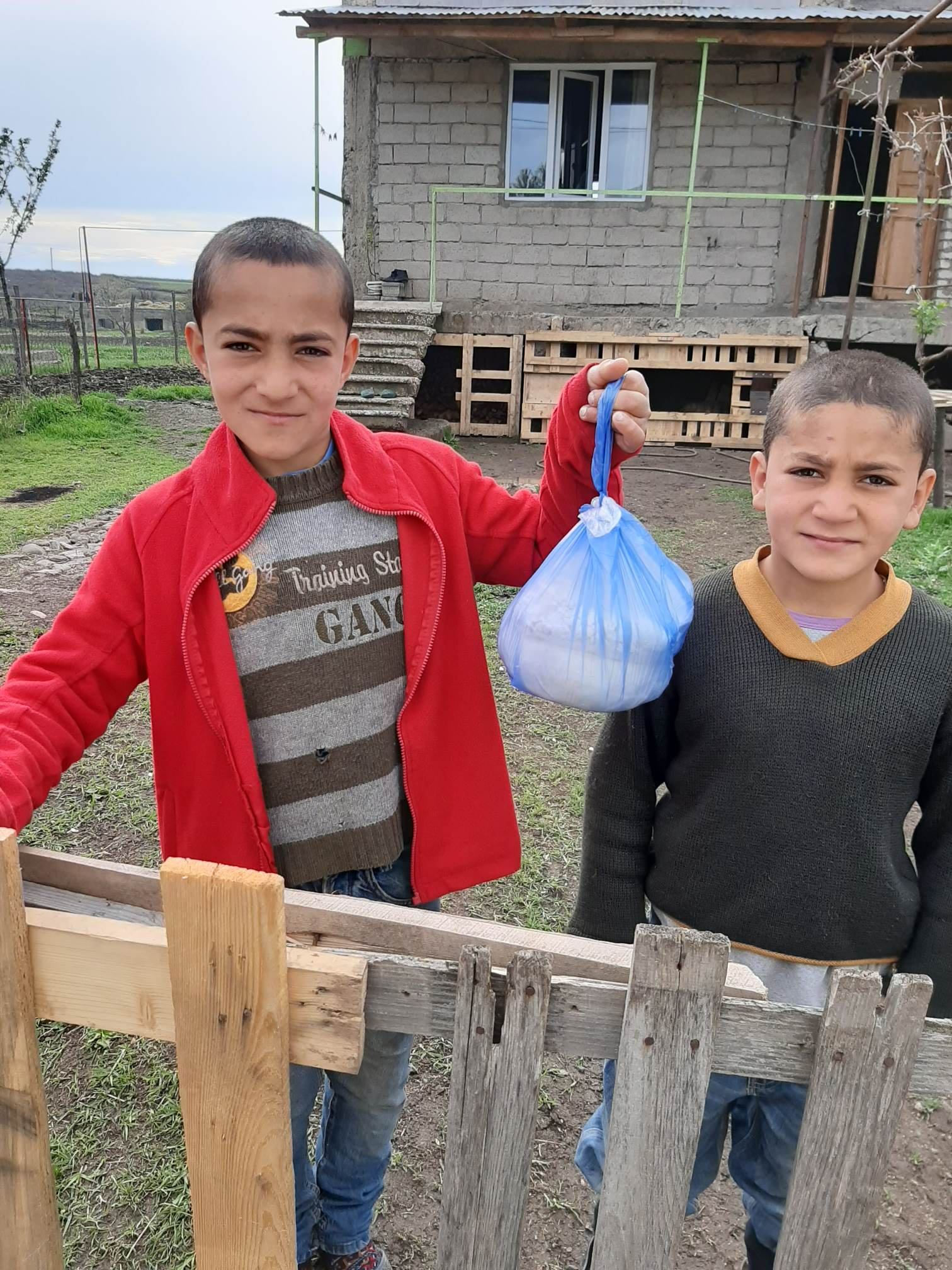
Ten dairy enterprises with the Georgian Milk Mark www.georgianmilk.ge provided cheese for the medical staff of hospitals in the frontline of battling the virus as well as people under quarantine and locals in the lockdown areas in the different regions of Georgia, who have limited access to the markets.
‘It is now important to show support to each other. I was very happy to see reactions from people, who were very surprised and thankful. I think those GMM enterprises set very good example for others.’ – A GMM cheese distributor.
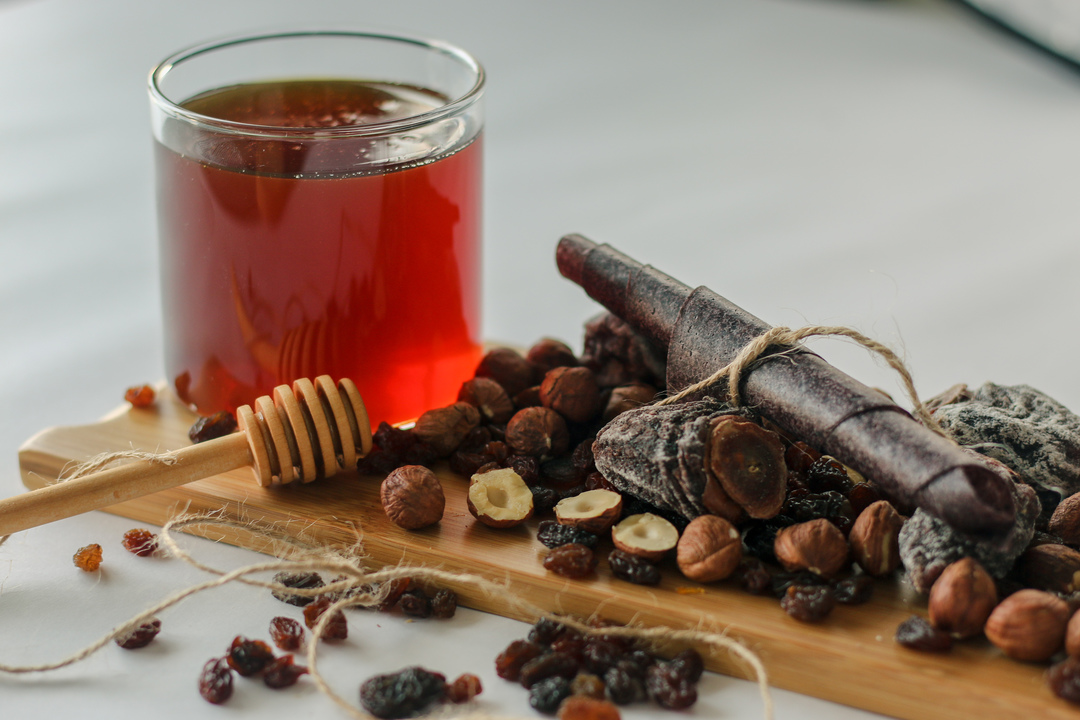
The Georgian Beekeepers Union (www.geobeekeepers.ge), uniting ten beekeeping associations and three commercial beekeeping companies supplied 1.2 tonnes of honey for further distribution among medical staff and vulnerable groups.
The Kakhetian Traditional Winemaking group’s (programme facilitated honey aggregator and exporter company) forty-one rooms hotel-complex is being used as a quarantine zone, the company also supplied food to locals over seventy in two regions of Georgia within a social project ‘Care for Each Other’ initiated after the virus outbreak and is now offering online sales and a free home delivery of its products (wine, compotes, jams, including, honey); the company’s webpage Old Kakheti went online to improve online sales.
These are a few examples and continuation of the kindness acts that started a month ago.